
Guides
Texas Homestead Exemption 2026: $140,000 Off and How to File
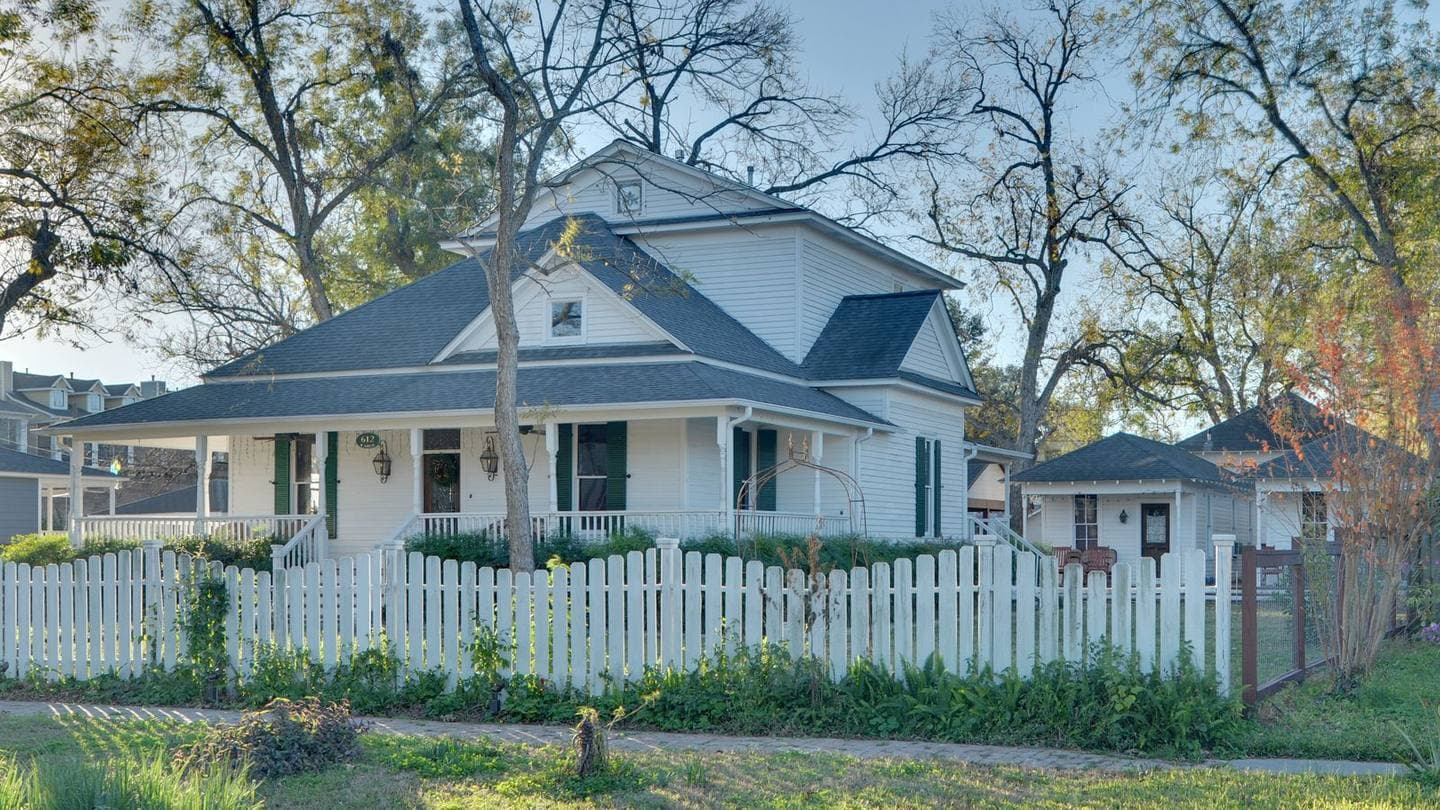
The Texas homestead exemption is the largest tax break most homeowners will ever get, and after the November 2025 election it got bigger. For 2026 it removes $140,000 of your home's value from school district taxes, $200,000 if you are 65 or older or disabled, and caps how fast your taxable value can grow at 10% a year. It is free to claim, it takes ten minutes, and about three in ten Houston-area homes still do not have one on file.
This guide covers what the exemption is worth, who qualifies, how to file, and how to recover up to two years of overpaid taxes if you never did.
What the exemption is worth in 2026
Texas law stacks several homestead benefits. In the Tax Code, Chapter 11:
| Benefit | Amount (2026) | Who gets it |
|---|---|---|
| School district exemption (Sec. 11.13(b)) | $140,000 of appraised value | Every homestead |
| Additional school exemption (Sec. 11.13(c)) | $60,000 more | Owners 65+ or disabled |
| Local-option exemption (Sec. 11.13(n)) | Up to 20% of value, minimum $5,000 | Where the county, city, or district adopts it (Harris County does) |
| County farm-to-market / flood control (Sec. 11.13(a)) | $3,000 | Where the county levies those taxes |
| Appraisal cap (Sec. 23.23) | Taxable value growth limited to 10%/year | Every homestead, from the second year |
| School tax ceiling (Sec. 11.26) | School taxes frozen at the amount paid the year you qualify | Owners 65+ or disabled |
The dollar exemptions came from the 2025 Legislature: Senate Bill 4 raised the school exemption from $100,000 to $140,000 and Senate Bill 23 raised the senior and disabled add-on from $10,000 to $60,000, both approved by voters as Proposition 13 in November 2025 and effective for the 2026 tax year.
A worked example. A Harris County home appraised at $300,000, with a school tax rate around $0.88 per $100 and a county rate around $0.62:
- School taxes are calculated on $300,000 minus $140,000 = $160,000, saving roughly $1,230 a year
- Harris County's 20% local-option exemption removes another $60,000 from the county base, saving roughly $370
- Total: about $1,600 a year, before the cap
For an owner 65 or older, the school base drops to $100,000 and the school tax is frozen at that year's amount, so it never rises again while they live there. Our guide to the over-65 and disabled exemptions covers those rules.
The 10% cap is the quiet half of the benefit
The flat exemption gets the headlines, but Section 23.23 often matters more. Starting the year after you qualify, your taxable value cannot rise more than 10% above the prior year's taxable value (plus the value of new improvements), no matter what the market does.
In a year when the appraisal district raises your market value 25%, a homestead owner's taxable value rises 10%. The difference compounds. A home whose appraised value climbed from $250,000 to $400,000 over four hot years might carry a capped taxable value near $330,000, a gap worth several hundred dollars a year on its own. Without the exemption there is no cap at all.
This is also why protesting your appraisal still matters with a homestead: the cap grows from whatever base the district sets, and a successful protest lowers that base for every year after.
Who qualifies
You qualify if, on the date you apply:
- You own the home (individually, jointly, or through certain trusts; heir property qualifies with additional documentation)
- You occupy it as your principal residence
- Your Texas driver's license or ID card shows the property address (Section 11.43(j)); the appraisal district will reject a mismatch
- You do not claim a homestead exemption on any other property, in Texas or elsewhere
Since 2022 there is no requirement to own the home on January 1. Under Section 11.42(f), a buyer can apply immediately after closing and receive the exemption prorated for the rest of the year, as long as the previous owner did not already have one for that year on the same property.
How to file (10 minutes, no fee)
- Download Form 50-114, the Comptroller's Residence Homestead Exemption Application, or open the online version on your appraisal district's website.
- Fill in the property and owner information. Check the boxes for the general homestead and, if applicable, the 65-or-older or disabled exemption.
- Attach a copy of your Texas driver's license or ID showing the property address. Update the address with DPS first if it is out of date.
- Submit it to the appraisal district, not the tax office: HCAD, FBCAD, MCAD, BCAD, GCAD, TCAD, WCAD, DCAD, or Collin CAD. Online submission is fastest.
- Confirm it. A few weeks later, look up your account and check that the exemption codes appear.
You apply once. The exemption continues while you own and occupy the home; districts may ask you to reconfirm every five years under Section 11.43(h-1), and you must notify them if you move out.
Never filed? Claim two years of refunds
Section 11.431 allows a late homestead application up to two years after the delinquency date of the taxes for the year you are claiming. Approve it, and the chief appraiser corrects the appraisal roll for those years and the tax office refunds the overpayment.
In practice, an owner who bought in 2024 and never filed can apply in 2026 and receive the exemption for 2024, 2025, and 2026, with refunds for the two prior years. At Houston-area rates that is often $2,000 to $3,000 back. When we file homestead exemptions for our protest clients, we back-file whenever the record shows the exemption was missing.
Our analysis of appraisal records found 590,000 Houston-area homes with no homestead exemption on file. Not all are eligible, but a large share are owner-occupied homes whose owners simply never filed.
Common mistakes
- Assuming the exemption came with the house. It did not. File after closing.
- A driver's license with the old address. The most common rejection reason. Update it first.
- Filing with the tax office. The tax office collects; the appraisal district grants exemptions.
- Missing the senior add-on. The 65-or-older exemption is not automatic when you turn 65. File a new application that year; the school tax ceiling starts then.
- Moving without transferring the ceiling. If you are 65 or older and move within Texas, Section 11.26(g) lets you carry the same percentage of tax ceiling to the new home. Ask for the transfer certificate from the old district.
- Putting the home in a trust without checking. Property in a qualifying trust keeps the exemption, but the trust document must meet the Tax Code definition. See our guide to the tax implications of transferring property into a trust.
Homestead exemption and your protest are separate
The exemption reduces the value that gets taxed; the protest reduces the appraised value itself. You can, and should, do both. File the homestead application once. Protest the appraisal every spring the number looks high. The Texas property tax guide explains how the two fit together with tax rates to produce your bill.
This article is general information, not tax advice. Exemption eligibility depends on your circumstances; confirm with your county appraisal district.